
The Remote Work Insider
The Final Quarter Push: A Piece for Everyone

Hi Superstar,
This rebrand isn’t just a new look, it’s a commitment. We’re expanding to include more inclusive information, voices, and news, so every jobseeker, remote worker, digital nomad, and employer feels seen, informed, and empowered in the future of work.
We’ve missed you, too! Can you believe how quickly 2025 is flying by? One of the most exciting shifts this year has been the number of companies restructuring their remote work policies to include broader geographical regions. It’s no longer just tech roles. Startups and established companies alike are expanding globally, now offering remote opportunities in areas like legal, accounting, and beyond.
Another highlight has been the surge of remote internships and flexible entry-level roles. Companies are finally opening their doors to global talent at the start of their careers. It’s been incredible to see this progress because while the gap is closing, there’s still plenty of work to be done to ensure true inclusivity, diversity, and equity in remote work.
On our end, we’ve also been evolving. We’ve restructured how we run this newsletter and become more active across our blog, channels, and Job board mailing list. (If you haven’t yet, you can subscribe here to stay plugged in!)
However, you will always be the first in our hearts. You’ve grown with us, from job seekers to remote professionals, from digital nomads to employers looking for fairer and more effective ways to build remote teams. That’s why we’ve decided to expand our newsletter into clear segments. So whether you’re a jobseeker, a remote worker, or an employer, you’ll find insights tailored just for you.
🌍 News Flash: Moldova Digital Nomad Visa Launching September 2025
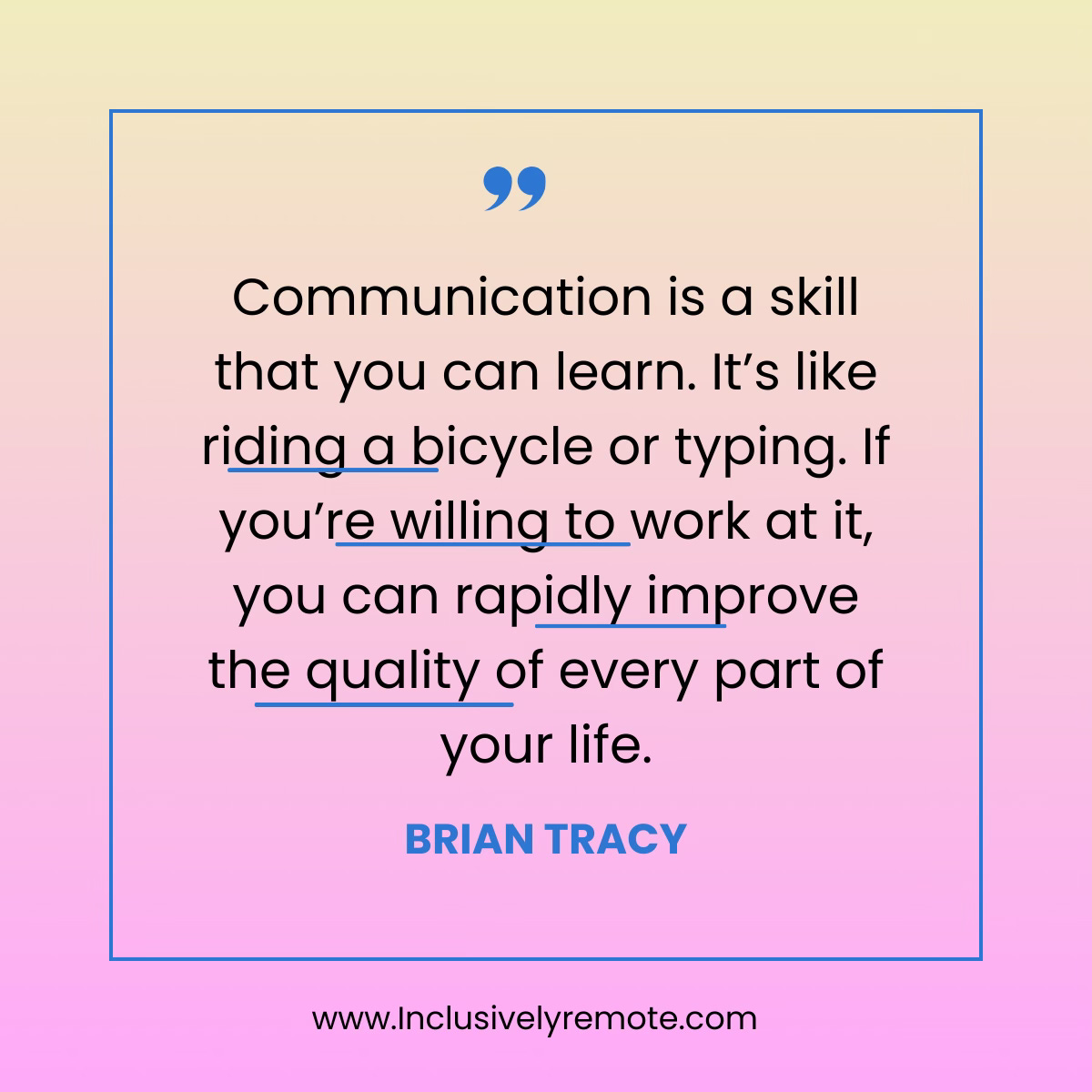
5 Phrases That Make You Sound More Professional in Remote Chats
One of the biggest challenges of remote work is that tone doesn’t always travel well through screens. What feels casual in an office can come across as careless online. Every Slack message, Zoom chat, or email leaves an impression about how reliable, professional, and collaborative you are.
The good news is that small tweaks in your wording can instantly upgrade how you’re perceived as a collegaue or manager. Here are five swaps that make you sound sharper without losing warmth:
1. “I think we should…” → “Based on the data, I recommend…”
In remote work, opinions often compete across time zones. Anchoring your idea in data or facts gives it credibility and shows you’re solution-oriented rather than speculative.
Example: “Based on last month’s engagement numbers, I recommend we double down on LinkedIn instead of Instagram.”
2. “Can you do this?” → “Could you take this on by [date]?”
Remote managers don’t have time to guess at timelines. Adding a clear deadline avoids confusion, sets expectations, and demonstrates leadership in communication.
Example: “Could you take this on by Wednesday so we’re aligned for Thursday’s client call?”
3. “No problem” → “Happy to help, here’s the update…”
“No problem” can feel dismissive or passive. A proactive phrase reassures the other person that their request was important and handled. It also reframes your role as supportive rather than obliged.
Example: “Happy to help, here’s the updated deck with the client’s feedback included.”
4. “Sorry for the delay.” → “Thank you for your patience, here’s the completed draft.”
Constant apologies can erode your professional presence. Gratitude keeps the exchange positive while still acknowledging the wait. You’re signaling accountability without undermining confidence.
Example: “Thank you for your patience, here’s the final report with all edits incorporated.”
5. “Let’s sync up later.” → “Let’s schedule a 15-minute call to finalize.”
Ambiguity is the enemy of remote collaboration. “Later” could mean tomorrow or next month. Suggesting a time frame shows you’re decisive and keeps projects moving.
Example: “Let’s schedule a 15-minute call on Tuesday to finalize the budget draft.”
Why Remote Work is Good for Your Startup as an Employer
For founders, every choice comes down to leverage - how to maximize speed, efficiency, and talent while keeping burn rates lean. Remote work, when embraced from the start, isn’t just a money-saving tactic. It’s a structural advantage that can accelerate growth, attract top-tier talent, and position your startup as a future-ready company.
1. Access to Global Talent
One of the most powerful advantages of remote work is the ability to hire beyond your postal code. Instead of being limited to a narrow local talent pool, you can recruit the best engineer in Spain, the most creative marketer in Lagos, or a world-class designer in Jamaica, all at the same time. This diversity isn’t just geographical; it brings fresh ideas, cultural perspectives, and innovation that make your product globally relevant from day one. For a startup, that means you can truly hire the best person for the role, not just the best person nearby.
2. Cost Efficiency
Early-stage startups live and die by how they allocate capital. Traditional office setups, leases, utilities, furniture, and commuting stipends can drain tens of thousands of dollars each month. Remote-first operations cut these costs dramatically, freeing up resources that can instead be invested in product development, customer acquisition, or scaling campaigns. And with platforms like Oyster HR and Remote.com, founders can handle employment taxes, benefits, and compliance globally, avoiding expensive legal headaches. In today’s venture climate, investors are watching burn rates closely. Showing that you run a lean, globally distributed team signals discipline and scalability.
3. Faster Iteration, Round-the-Clock Progress
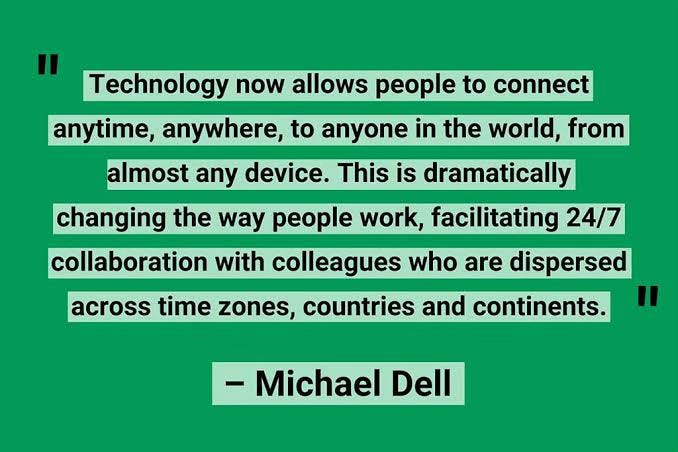
In the startup world, speed is survival. A remote-first structure allows for asynchronous workflows where progress never sleeps. Imagine developers in Asia finishing code before logging off, QA testers in Europe picking it up in their morning, and the U.S. product team reviewing results by lunchtime. This 24-hour relay effect allows your company to move faster than competitors tied to a 9–5 office. Combined with global EOR platforms such as Deel, Oyster, Lokalise even Safetywing, you can spin up specialized talent in different time zones as projects evolve without waiting weeks or months to make local hires.
4. Employee Retention & Employer Branding
Top talent no longer sees remote work as a “perk” - it’s the baseline. Professionals now expect flexibility, autonomy, and the ability to balance personal and professional lives without rigid commutes. Startups that adopt remote-first cultures attract ambitious, self-driven people who thrive on trust and independence. More importantly, they stay longer. Reduced turnover saves thousands in rehiring costs and ensures stability in high-stakes projects. Remote-focused platforms like Inclusivelyremote make it simple to broadcast opportunities to candidates actively seeking flexible, high-impact roles. By building remote into your DNA, you send a clear message: this is a startup built for the future, not stuck in the past.
5. The Founder’s Advantage
Remote work is no longer an afterthought; it’s a competitive advantage. By hiring globally through partners like Turing, Deel, Oyster, and Remote.com, running lean operations without office overhead, and leveraging round-the-clock iteration, startups can grow smarter, faster, and stronger than traditional competitors. Most importantly, remote-first cultures naturally align with the expectations of the modern workforce, making your company not just a place to work but a place where ambitious talent wants to stay.
See you next week!
Rooting for you this Month🫶🏼💡!
Yours truly,
The InclusivelyRemote Team
LinkedIn| Twitter| Instagram | TikTok | Newsletter